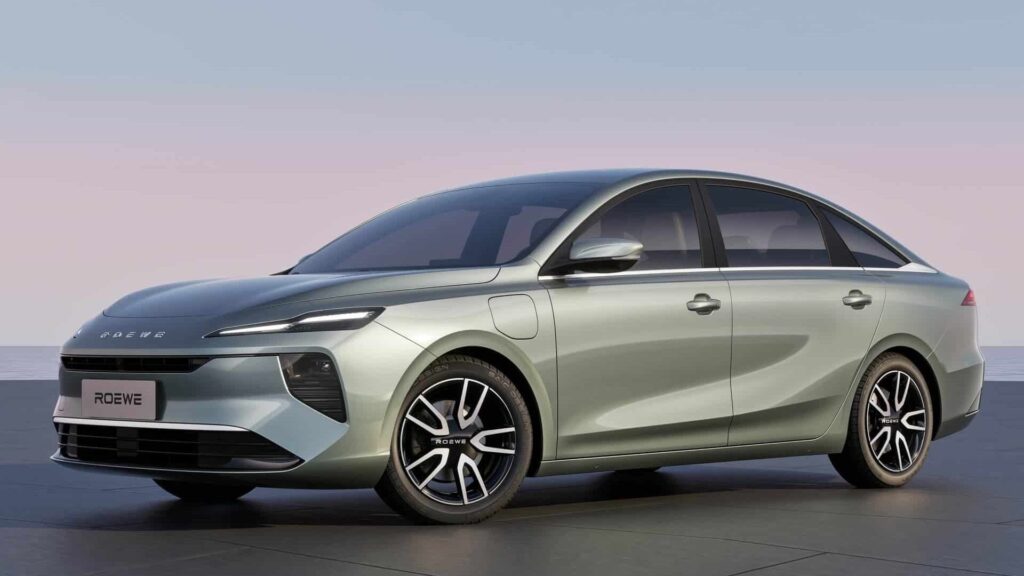
In the global automotive market, a quiet but powerful upheaval is taking shape: Chinese manufacturers are gaining confidence and market share, particularly in Europe. Once viewed with skepticism, names such as BYD, NIO, XPeng, and Geely are now establishing themselves as key players, profoundly transforming the competitive landscape. This rise in power is not limited to a simple increase in sales; it reflects a profound strategic shift in which technology, accessibility, and adaptation to local expectations play key roles. Europe, and particularly Germany, is seeing these brands establish a lasting presence, permanently changing the balance of power in a rapidly changing sector, marked in particular by the transition to electric vehicles and increased awareness of environmental issues.
The Growing Dominance of Chinese Automakers in the Electric Vehicle Sector
Chinese auto brands now occupy a dominant position in the global electric vehicle (EV) market, a booming sector at the heart of major international environmental ambitions. Indeed, more than six of the world’s top ten EV manufacturers are Chinese, a position supported by production representing approximately 60% of global volume. This influence now extends well beyond the national level, with a strong international presence, particularly in Europe. This supremacy is explained by a combination of strategic factors: advanced mastery of autonomous and electric technologies, massive investments in R&D, and the ability to produce on a large scale.
Companies like BYD embody this success by offering vehicles that combine price competitiveness and technical innovations. Their extensive range meets a wide spectrum of needs, from economical city cars to high-end SUVs and sedans. Other actors such as NIO And XPeng bring additional vitality to the market by focusing on technological excellence, particularly in on-board artificial intelligence and autonomous driving systems, positioning China as an innovation laboratory.
This rise in French power is also reflected in the fact that China has overtaken Japan as the world’s leading automobile exporter. This progress is explained in particular by an ability to project itself onto several continents and meet the requirements of diversified markets. In Germany, for example, the share of Chinese vehicles has doubled recently to almost 2% of the market, an astonishing performance given the extremely competitive local competition.
Online platforms dedicated to automobile sales, such as Carwow, illustrate this trend well by multiplying the references of Chinese models available. In 2023, only three brands were offered, compared to eleven in 2024, reflecting a rapid expansion of the offer and a diversification aimed at capturing different segments, from affordable electric cars to premium models.
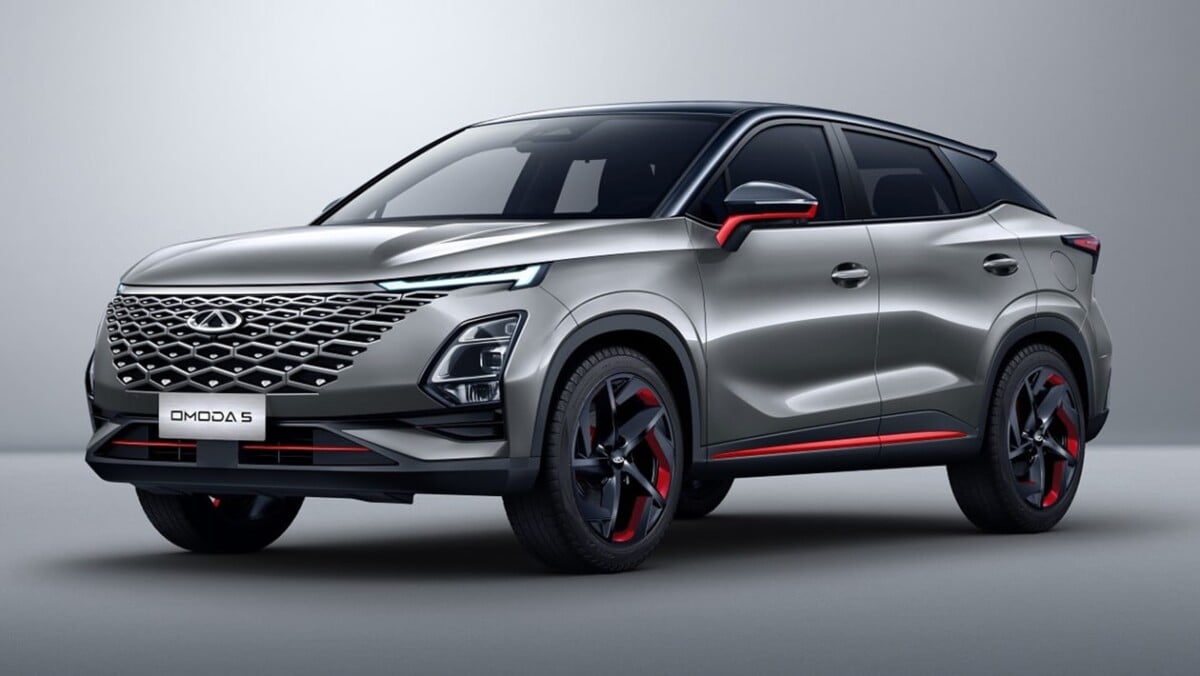
Changing perceptions and growing confidence among European consumers in Chinese brands
A few years ago, European distrust of Chinese manufacturers was still marked by doubts about the quality and durability of vehicles. However, this paradigm is clearly changing, as recent market research shows. For example, a survey of German consumers shows a significant increase in acceptance, with more than 42% of respondents willing to consider a Chinese-made vehicle for their next purchase, compared to 36% the previous year.
This shift reflects a better understanding of cars’ real-world performance, their value for money, and the warranties offered. A third of consumers now believe that Chinese cars offer better value for money, while a quarter appreciate aggressive pricing policies and promotional offers. Yet, 24% of consumers remain wary of manufacturing quality, a sign that despite significant progress, a segment of the public remains cautious. On the other hand, electric vehicle technology is particularly appealing: more than a quarter of customers recognize a greater variety of electric models from Chinese brands, with a clear increase in recognition of technological innovations, rising from 10% to 22% in just a few years. These elements are crucial for European consumers, who are increasingly keen to adopt sustainable solutions without sacrificing performance.
We are also seeing a shift in concerns toward more systemic issues: consumers are still concerned about the quality of after-sales service (40%), an area that Chinese manufacturers must improve to fully gain the trust of the European public. At the same time, geopolitical considerations play a role in this distrust, with 37% expressing reservations about product origins, reflecting a complex international context that inevitably impacts marketing communication strategies.
Brands such as
Geely , which now owns Volvo and Polestar, are leading the way by combining a strong local identity with Chinese-origin expertise, helping to reassure customers concerned about provenance and quality. This cultural and industrial hybridization strategy appears essential in establishing lasting legitimacy.The importance of strengthening distribution and service networks
The success of Chinese manufacturers undoubtedly depends as much on their ability to build solid local infrastructure as on the technical sophistication of their offerings. Customer service is at the heart of the challenges to be addressed. Building a dense network of points of sale, as well as maintenance and repair centers, not only improves customer satisfaction but also removes psychological barriers associated with purchasing a Chinese vehicle.
This is a lesson shared by brands like
MG which, despite its Chinese origins, benefits from a consolidated brand image thanks to a long-standing presence in the European market and services tailored to customer expectations. These examples inspire new entrants, who must invest heavily in customer loyalty and service quality, not only to gain market share but also to maintain it. Adaptation Strategies and Specific Innovations of Chinese Brands in the European Market
To establish themselves in the long term, Chinese manufacturers are not simply replicating their domestic business models but are also innovating profoundly to adapt to the demands of the European market. This transformation requires increased attention to local preferences, particularly in terms of design and powertrains, as well as compliance with strict environmental standards.
Brands such as Chery and Great Wall Motors are working closely with local partners to adapt their vehicles to European tastes while integrating advanced technologies such as high-energy-density batteries and smart infotainment systems. The strong growth in electric vehicle sales in several European countries illustrates the success of this approach, offering a diversity ranging from compact city cars to family SUVs.
The development of plug-in hybrid models is also central to these strategies, helping to meet the growing demand for low-emission vehicles. These innovations are taking place within a demanding European regulatory environment, which is forcing manufacturers to rapidly adopt green technologies. The intensive use of data and artificial intelligence in embedded systems, seen in brands such as Lynk & Co and Leapmotor , represents another distinctive lever, enriching the user experience while improving safety and energy efficiency. These technological developments are particularly appealing to young consumers and connected car enthusiasts.
A sharp marketing strategy rooted in digitalization
In a sector where digitalization is radically changing purchasing habits, Chinese automobile brands are investing massively in online communication, social networks and digital platforms. They cultivate a modern and committed image, sometimes much bolder than that of traditional brands, attracting urban and tech-savvy audiences. Partnership with platforms like E-Zoom.biz in the media coverage and deciphering of automotive trends also helps to establish their credibility and visibility among European consumers. These targeted advertising strategies, press releases on technological innovations and live demonstrations reinforce the perception of expertise and reliability.The ability of these groups to take advantage of digital tools will be a key factor in establishing their position in an ultra-competitive market, where proximity to the customer and rapid adaptation to required developments make the difference.
Geopolitical and economic issues: the challenges for Chinese manufacturers in Europe
Beyond purely economic and technological aspects, Chinese manufacturers must skillfully navigate a complex geopolitical framework. Trade and political tensions between China and certain European countries, particularly on issues related to intellectual property, data security and industrial policy, pose considerable challenges.
Customs barriers, although moderate, remain a potential obstacle. Furthermore, distrust of Chinese-origin products, fueled by sometimes nationalist or protectionist campaigns, still influences purchasing decisions in certain segments. This underscores the importance for manufacturers to cultivate their corporate image and promote strong commitments to compliance, social responsibility, and environmental sustainability. Some groups, such as Geely
with its historic European brands, are successfully circumventing these obstacles by leveraging cultural and industrial hybridization. By integrating production and R&D centers in Europe, they are able to strengthen their social and economic acceptability, while contributing locally to employment and technological development.
Finally, the race toward electric mobility, with specific regulatory deadlines such as the end of internal combustion engines scheduled for 2035 in Europe, represents a major opportunity but also a source of intense pressure. Chinese manufacturers, who have a technological advantage in this area, could benefit from this, but must simultaneously meet the expectations of strict standards and adapt to local specificities, a delicate balance to manage.
Ne manquez rien !
Recevez les dernieres actualites business, finance et lifestyle directement dans votre boite mail.