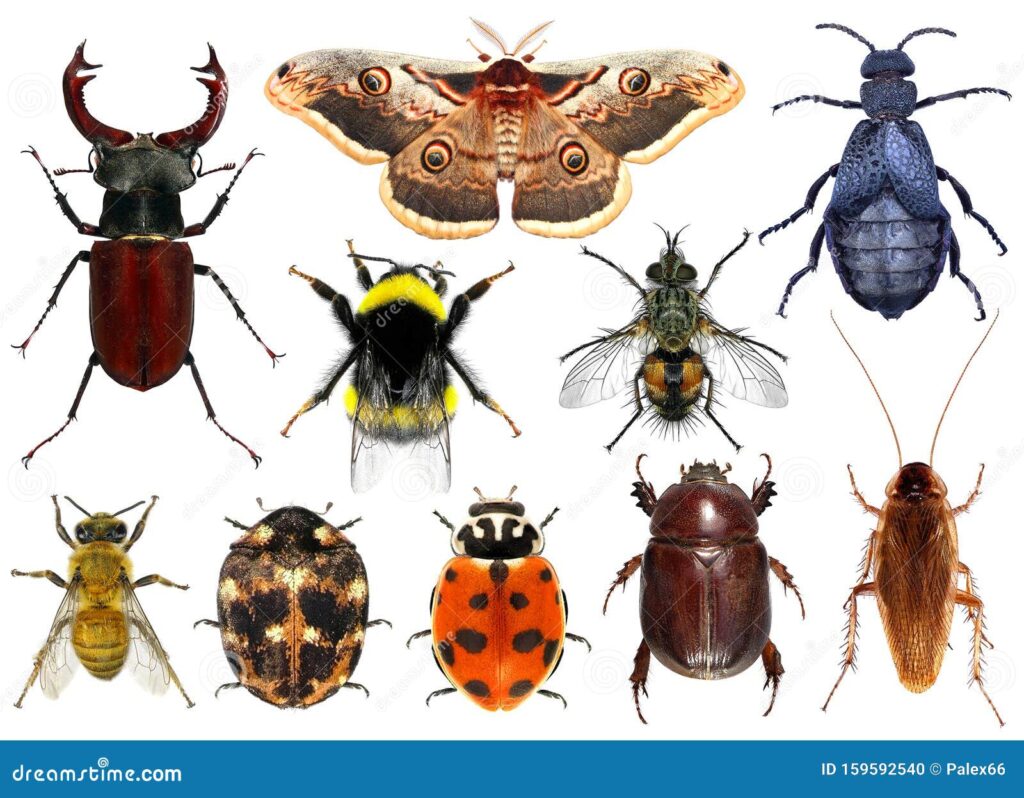
In our gardens, these little six-legged creatures often arouse as much admiration as rejection. However, insects play a much more crucial role than we think in the balance of Nature & Biodiversity. Between pollination, natural cleaning, pest control, and soil enrichment, these little-known allies deserve our full attention and respect. At a time when the garden is becoming a refuge from environmental threats, understanding why and how to preserve these living beings is an integral part of a responsible approach. The Insect House is not just a poetic title, but a reality that we have the power to foster in the heart of our green spaces. Whether you’re an organic vegetable garden enthusiast or simply a greenery enthusiast, this guide invites you to delve into the fascinating world of essential insects, these garden heroes who build a sustainable, pesticide-free, and life-filled environment.
Understanding the Essential Roles of Insects in the Garden
Have you ever taken the time to observe the insects swarming in your garden? Often perceived as mere pests to be eliminated, they are in fact essential players in the natural functioning of domestic ecosystems. Among them are the famous pollinators, essential for the reproduction of more than 85% of flowering plants, including fruits and vegetables that we consume daily. This vital function has earned groups like Les Amis du Pollinisateur a global commitment to the preservation of these threatened populations.
Pollination is just the tip of the iceberg. Many insects contribute to the decomposition of organic matter, facilitating nutrient recycling and soil health. One of the most notable insects in this role is the hovaníval, a beetle that plays a « cleaning » role in the garden, ridding the soil of excrement and other debris, transforming them into usable resources. This natural process is key to growing without the use of chemical fertilizers, in accordance with the Zero Pesticide principles favored by many organic gardeners.
Vegetable garden helpers are also essential. These predatory insects help regulate pest populations, thus limiting visible damage to plants. For example, the presence of ladybugs in a vegetable garden is a strong indicator of balance, as these small creatures devour aphids that threaten crops. Respecting and encouraging their habitat in our gardens helps reduce the use of plant protection products, contributing to a healthier and more resilient nature in the long term. It’s therefore a winning strategy for gardeners who aspire to both the beauty of their space and the sustainability of their projects.
The current debate is less about tolerating these insects, but rather about understanding that Gardening with Insects has become a necessity in the face of the erosion of life and the scarcity of species. By 2025, several French initiatives, such as Le Refuge des Abeilles, demonstrate how these tiny creatures are pillars of our food security and quality of life. Adopting a proactive approach, based on observation and welcoming, paves the way for more harmonious and beneficial gardening for all.
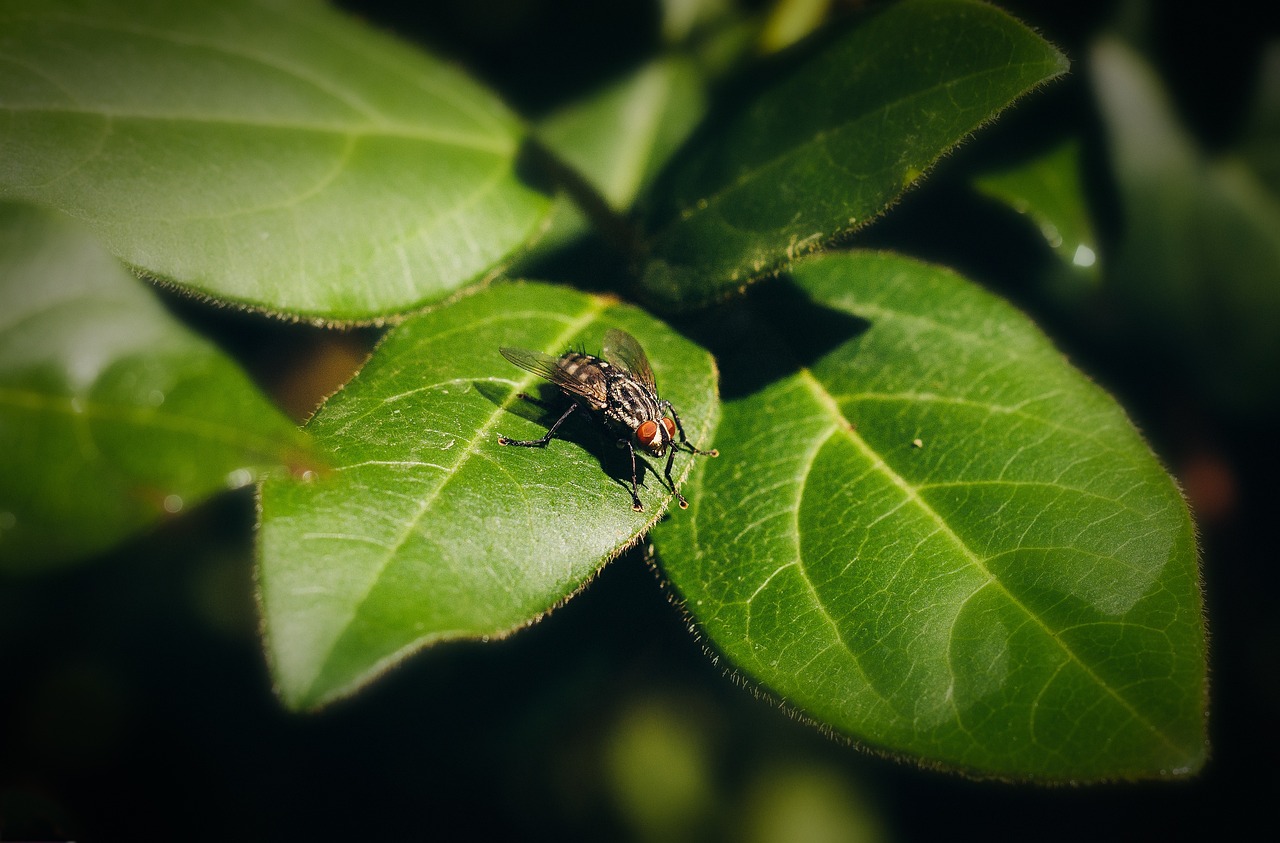
Fascinating examples: the iconic insects that beautify and protect the garden
In this overview of beneficial insects, some specimens particularly stand out. Curious nature lovers are probably already familiar with ladybugs, but other equally fascinating creatures deserve special attention. Among them, the ladybug, the largest beetle in our region, stands out for its imposing size and impressive mandibles. Although its fangs appear aggressive, this beetle does not target humans but rather attacks competing predators in its quest for a mate. The ladybug is a valuable resident of oak forests and even sometimes gardens with a bit of dead wood, where its larvae contribute to decomposition. More common but equally useful, the larvae of tesařík and zlatohlávek go unnoticed because they are well hidden in rotting wood or compost. Their ecological importance is crucial: they contribute to the regeneration of dead wood, thus preventing the accumulation of organic matter that would otherwise become a health problem. These insects tacitly contribute to the sustainable management of green waste in our gardens, while helping to stabilize the soil.
Another often misunderstood host is the nosorožík kapucínek, recognizable by its original shape reminiscent of a small rhinoceros. Despite its impressive appearance, this beetle is an essential player in the soil nutritional chain. It prefers to lay its eggs in dead wood or compost. Its presence is even an indicator of good soil health and a balanced garden. By tolerating these insects, we help maintain natural cycles that strengthen the resilience of our green spaces in the face of increased climatic hazards.
As part of sustainable gardening, movements such as Seeds of Life encourage the recognition and preservation of this discreet fauna which acts behind the scenes. It is precisely these complex interactions that make up the richness of an ecosystem where each part plays a crucial role. To deepen the cultivation of your garden, you can discover suitable advice for maintaining these auxiliaries in resources such as the Gardening with Insects section of numerous specialized blogs or online guides, in particular those dedicated to Amnesia Haze, which highlight the link between biological diversity and flourishing culture.
Natural control in the garden: how insects protect your plants without using pesticides
One of the fundamental principles for those who wish to practice a garden respectful of nature is to use insects as allies to naturally combat pests. The use of these vegetable garden aids eliminates the need to apply chemical treatments which can harm the entire food chain, including pollinators such as Les Amis du Pollinateur.
For example, the role of ladybugs is widely documented. They consume thousands of aphids during their life cycle. Similarly, lacewings, highly secretive insects, lay their eggs near pest colonies. When they hatch, their larvae efficiently devour harmful insects. Introducing wild, native plants into the garden encourages the arrival of these beneficial insects, which is an integral part of the practices advocated by the Équilibre Jardin Nature philosophy.
It has also been proven that certain species, such as hoverflies, mimic the appearance of wasps to remain safe from predators while actively attacking pests in their larval stage. Understanding and encouraging such species in our gardens is valuable knowledge passed on by specialists and championed by initiatives like Le Refuge des Abeilles, which advocate for a comprehensive and sustainable ecological approach.
Integrating insects into a biological control strategy requires a little patience but provides remarkable stability in return. For example, promoting the presence of well-balanced compost and the geographical use of plants like cherry laurel helps increase microhabitats. This combination contributes to attractiveness for a multitude of beneficial insects, while limiting areas favorable to pests. Natural pest control is also an integral part of the mistakes to avoid when learning how to grow intelligently, an ideal material for gardeners seeking harmony and zero pesticides.
Discover why insects are essential to the garden: pollination, crop protection, and natural balance. Attract them for a healthy and productive vegetable garden!
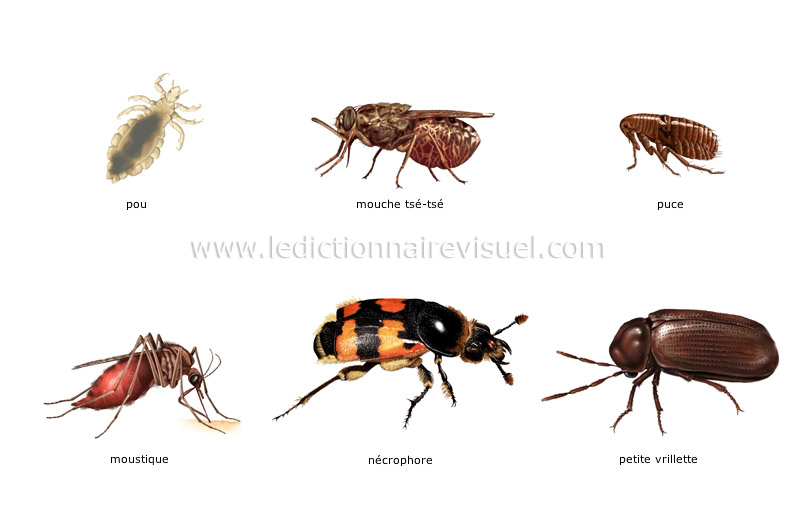
For these essential insects to thrive, they need a favorable environment. Designing a garden to become an Insect House requires a detailed understanding of the species’ needs. Planting a diversity of native flowers, leaving areas of dead wood or compost in place, and reducing lawn mowing are all simple actions that contribute to building a rich and functional ecosystem.
For example, incorporating wildflowers can naturally attract pollinators. Butterflies, often victims of habitat loss, thus benefit from protected areas, supporting the Save the Butterflies goal set by several associations for 2025. Choosing plant diversity is not just about decoration; it is a powerful lever for expanding ecological niches.
The role of trees, especially old oaks, remains central to rare insects like the roháč, which thrive in rotting wood. Adopting environmentally friendly practices, by not excessively clearing the land, allows these essential habitats to persist. Furthermore, urban and garden beehives, closely linked to the initiatives carried out by Le Refuge des Abeilles, help to amplify interactions between pollinating insects and cultivars.
A deeper understanding of food chains in gardens also reveals the importance of carefully balancing the numbers of beneficial and harmful insects. Experienced and passionate gardeners today share a common mantra: it’s about promoting the Seeds of Life rather than destroying insects at the mere suggestion of a nuisance. This shift in perspective is rooted in a comprehensive approach, advocated by the Nature & Biodiversity movement, which no longer sees the garden as a territory to be dominated, but as a place where every form of life finds its place.
Practices and advice for sustainably welcoming garden-friendly insects
Committing your garden to insect-friendly behavior begins with a few steps to incorporate into your gardening routine. It’s a true art of living, with specific tips for each season. For example, avoid mechanically cleaning up all the fallen leaves in autumn, which provide a haven for larvae and small helpers. Similarly, abandoning the intensive use of pesticides paves the way for a vibrant nature, where native wildlife thrives harmoniously.
Planting hedges composed of local shrubs or even a corner dedicated to medicinal plants can attract beneficial insects. This type of design is encouraged in contemporary ecological gardening guides, which cover the cultivation of specific plants such as Amnesia Haze, an emblematic form of plant diversity. Using suitable plants also helps maintain a certain natural privacy in your green space, in line with the advice presented on the website regarding cherry laurel and its aesthetic and ecological qualities. Adopting a holistic approach by promoting healthy, living soil is key to maintaining this diversity. This includes practices such as controlled composting, crop rotation, and planting green manures. Permaculture and gardening in harmony with nature thus offer an elegant response to the challenges posed by pests, including those explained in resources such as mistakes to avoid when growing without disturbing beneficial insects.
For those who wish to deepen their knowledge or share their passion, numerous online communities and physical workshops, such as Gardening with Insects, offer exchanges rich in personalized advice. While nature offers us so much, it is up to us to open our arms wide to these little creatures who support our efforts and ensure a flourishing and healthy garden for years to come.
Ne manquez rien !
Recevez les dernieres actualites business, finance et lifestyle directement dans votre boite mail.