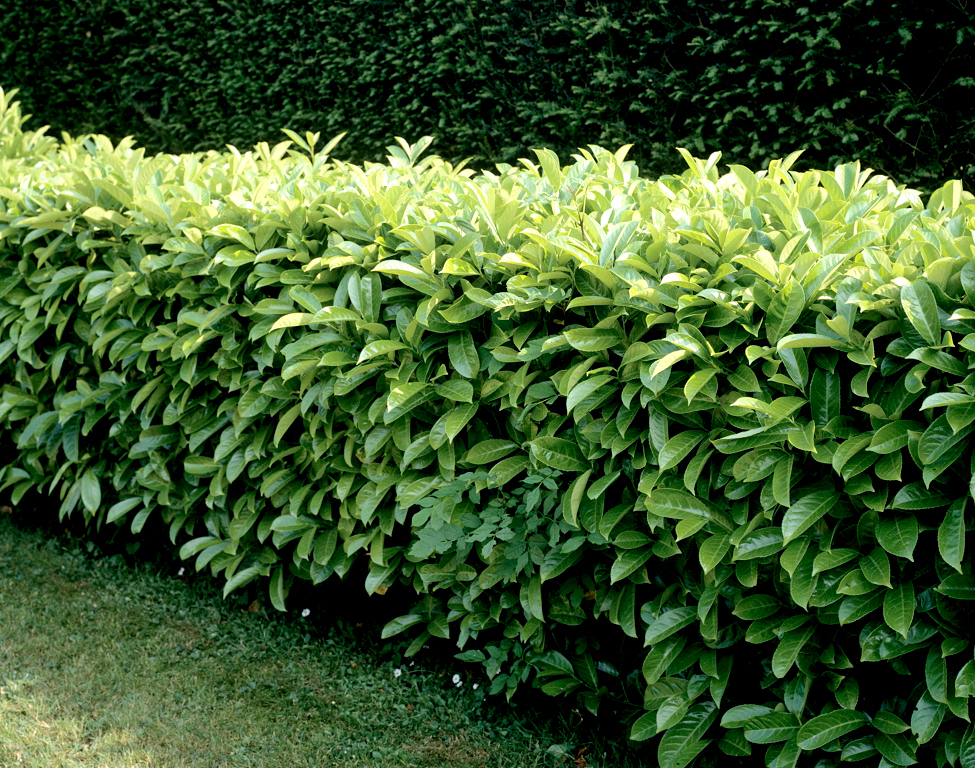
In the world of gardening, a wind of renewal is blowing through hedges and green spaces. While for decades, the thuja reigned supreme in our gardens, a new star is rising brightly: the cherry laurel. More than just a shrub, this plant is now establishing itself as a true ally for modern gardeners seeking elegance, robustness, and discretion. Its rapid growth, evergreen foliage, and ability to create a dense plant barrier make it an ideal solution for those who want to combine beauty and privacy. For those who want to bring life to their garden while loudly proclaiming « enough thujas! », the cherry laurel, or Prunus laurocerasus, deserves their full attention.
Brands such as Truffaut, Botanic, and Gamm Vert are now encouraging the adoption of this plant, which is as charming for its appearance as for its ease of care. Jardiland and Ambiance Jardin even dedicate specific spaces to it, testifying to its growing popularity. Leaderplant, Promesse de Fleurs, and Mon Eden are among the brands capitalizing on this green trend, while specialists from Plantes et Jardins and Jardins Animés advocate sustainable and aesthetic gardening. This shift in hedge choices isn’t just a passing fad: it’s a real evolution that’s revolutionizing the design of outdoor spaces in 2025.
Why cherry laurel is becoming the essential alternative to thujas in gardens
After years of thujas dominating the scene, many gardeners and landscapers are turning to more naturally aesthetic and ecological options. Cherry laurel is a prime candidate for this. Its ability to adapt to varied conditions and its glossy, year-round foliage make it an essential element for renewing hedges without compromising privacy.
This plant, native to Asia Minor and Southeastern Europe, has quickly earned a prominent place in French gardens, thanks in part to its robustness and balanced growth, which avoids the uncontrolled excesses common to some conifers. Unlike thujas, often criticized for their tendency to become sparse or diseased, cherry laurel is highly resistant to common diseases and climatic stresses, reducing the need for chemical treatments. This is a considerable asset for gardeners concerned with preserving local biodiversity. Cherry laurel plants adapt equally well to direct sunlight or partial shade, making them very versatile in structuring a garden. Their dense foliage encourages the creation of an impenetrable hedge, perfectly fulfilling its role as a natural privacy screen. Truffaut, Botanic, and Gamm Vert, the three must-haves in garden centers, are reporting a spike in interest in this plant, which appeals to both novices and experienced gardeners. With cherry laurel, you can achieve a green setting that is both elegant and functional without sacrificing ease of maintenance.
Beyond hedges, cherry laurel is also suitable for creating decorative flowerbeds or planting as a standalone. Its subtle fragrance and clusters of white flowers in spring attract bees and butterflies, enriching the life of your garden, a real joy for a plant lover like me. In cities, Jardiland and Ambiance Jardin make it a must-have for beautifying balconies and terraces, particularly with more compact varieties suited to smaller spaces.
Discover everything about cherry laurel: planting tips, care, uses, and information on this ornamental plant, ideal for garden hedges.
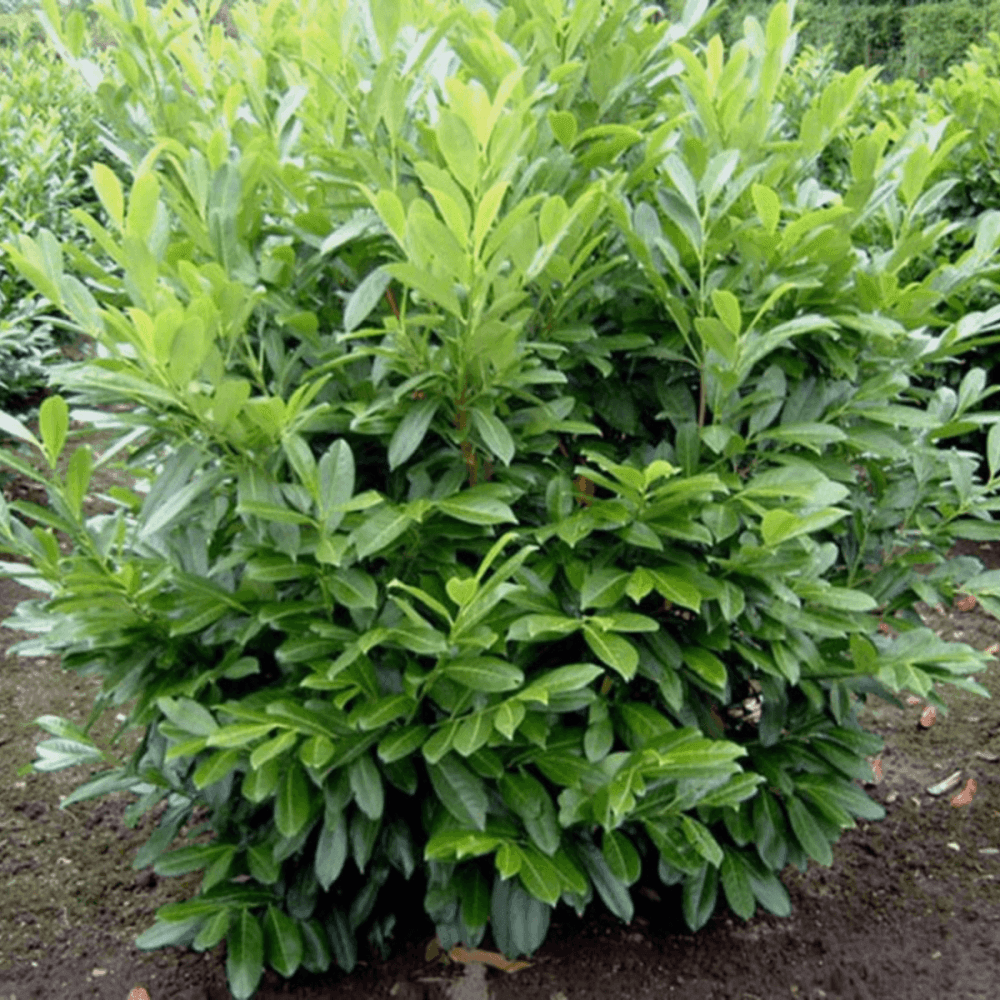
Adopting cherry laurel also means understanding its needs to ensure its longevity and impeccable appearance. The plant thrives in well-drained, humus-rich soils with a neutral or slightly acidic pH. This type of soil promotes good growth and prevents the problem of yellowing leaves, which is common when the soil is too chalky. Every knowledgeable gardener at Promesse de Fleurs or Leaderplant therefore recommends lightly amending the soil if you are growing on heavy or clayey soil, using sand or well-rotted compost.
It is recommended to plant cherry laurel in the fall or early spring so that its roots can establish themselves before the summer heat or winter frosts. Planting should be at a density of 2 to 3 plants per linear meter for a hedge that is both dense and aesthetically uniform. Also, remember to allow sufficient space to aerate the planting, which is essential for limiting the development of fungal diseases such as dírkovitost or preventing the development of mildew.
Cherry laurel is distinguished by its tolerance for regular pruning. It particularly appreciates a replanting in spring and a second pruning in late summer, especially in September. This September pruning is a well-kept secret among landscapers: it not only keeps the hedge compact and attractive in the middle of autumn, but also stimulates the growth of new shoots for the following season. Jardins Animés and Plantes et Jardins emphasize the need to use sharp, clean tools to avoid contamination during pruning.
Moderate watering during dry periods, especially during the first few years, is crucial to ensure optimal root development. Once well established, cherry laurel will better tolerate periods of drought. However, be careful not to let the soil become waterlogged, as cherry laurel is sensitive to excess water and stagnant water, which can cause root rot. At the end of winter, a light fertilization with a potassium-rich fertilizer will strengthen the plant against winter damage.
Finally, it’s interesting to note that most specialist nurseries, including Boss de Truffaut and the experts at Botanic, now offer varieties specially selected for their cold resistance and controlled growth, suited to cooler regions. This diversity makes it easy to adapt the plant to its climatic environment.
Cherry laurel’s enemies: diseases, pests, and natural tips for combating them
Like any plant, cherry laurel is not immune to some phytosanitary problems, although it is relatively hardy compared to other evergreen shrubs. Gardeners growing this plant are familiar with the main fungal diseases, such as dírkovitost, or leaf spot, which is very common in humid climates. These fungi cause small reddish-brown spots on the leaves, which eventually fall off, which can affect the overall density of the hedge.
To prevent these problems, the key is to ensure good air circulation between the plants, which means not pruning or planting the shrubs too close together. At the slightest appearance of symptoms, it is recommended to remove the affected leaves and apply a treatment with copper or other organic fungicides, often available from stores such as Gamm Vert or Jardiland. Among other pests, cherry laurel is plagued by weevil larvae, which cause irregular bites on the leaves, and aphids, which can weaken the plant by absorbing its sap. These small invaders often leave a sticky substance called honeydew, which encourages the development of sooty mold, an unsightly black mold. Fortunately, natural treatments remain effective. The use of plant purines such as neem or black soap-based treatments are strongly encouraged by the experts at Promesse de Fleurs and Mon Eden.
Finally, winter drought shouldn’t be overlooked: the leaves, although evergreen, can turn yellow and fall off if the plant doesn’t receive adequate watering before the frost. It’s therefore advisable to water plants regularly as soon as the ground is no longer frozen, a simple practice well-known to those who love animated gardens.
With proper care and the right advice, a cherry laurel hedge becomes a true natural barrier, resistant to pests and offering lasting beauty. It’s easy to understand why so many gardening enthusiasts and professionals are opting for this option today.
Discover everything about cherry laurel: planting, care, uses, and tips for enjoying this evergreen shrub, ideal as a hedge or in a flowerbed in your garden. The Many Uses of Cherry Laurel in Landscaping and Beyond
Cherry laurel isn’t limited to a simple privacy hedge: its uses in landscaping are multiple and full of ingenuity. Many properties choose this plant to structure an entire garden, whether as a border, hedge, or as a stand-alone plant. Its upright, slender silhouette enhances spaces and lends a certain modernity to the overall look. More compact varieties, such as those found at Leaderplant or Promesse de Fleurs, even allow it to be grown in containers to decorate a terrace or balcony, adding a touch of lush greenery.
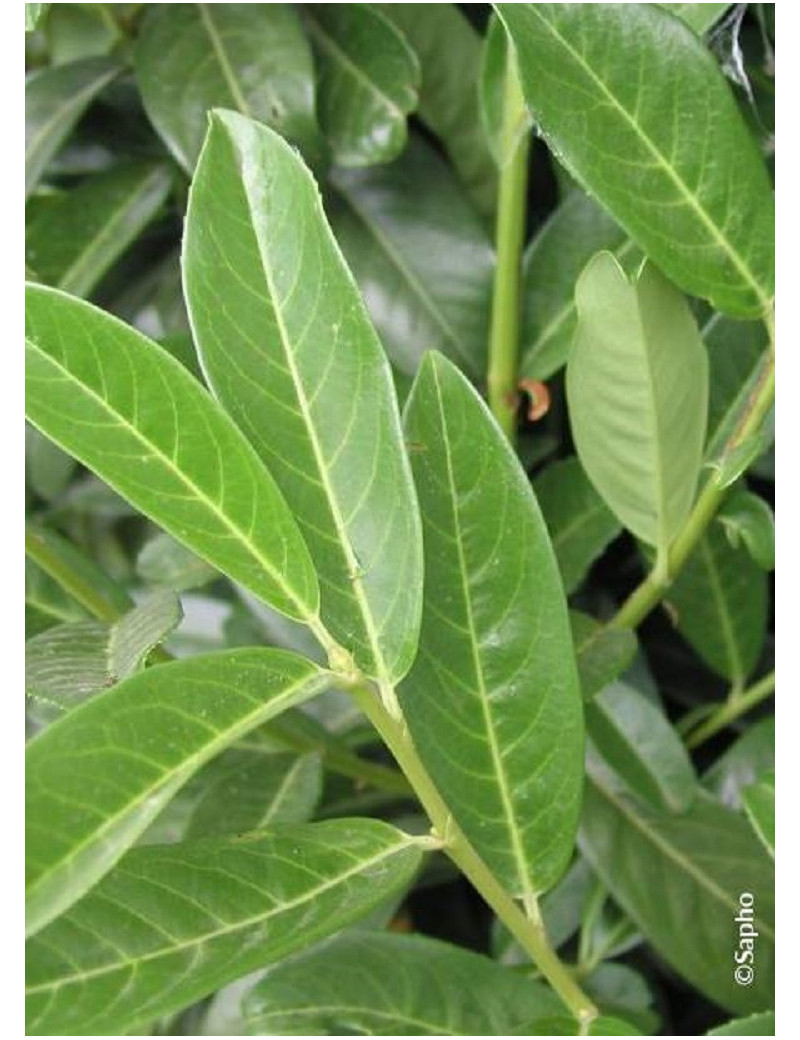
Another advantage: the discreet but fragrant spring blooms of cherry laurel attract pollinators like bees, which helps strengthen local biodiversity, something the gardeners at Plantes et Jardins highly recommend. Furthermore, its black fruits, although toxic to humans, feed birds, thus creating a natural balance that enriches the biotope.
The aesthetic appeal of cherry laurel also makes it an interesting contrasting element in the most elaborate gardens. Combined with colorful flowering plants or perennials like hydrangeas, it provides structure and volume that balance the overall effect, a point emphasized by the specialists at Mon Eden and Jardins Animés.
Finally, beyond simple privacy protection, cherry laurel inspires creativity and mastery for those who want to design a garden that is welcoming, vibrant, and original. At a time when outdoor spaces are becoming a true extension of the home, this plant is therefore a must-have in landscaping trends for 2025.
Ne manquez rien !
Recevez les dernieres actualites business, finance et lifestyle directement dans votre boite mail.