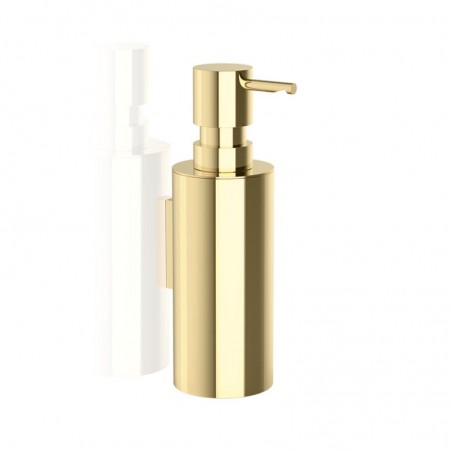
In our daily quest to combine practicality and aesthetics, choosing a soap dispenser has become a key decision, both for the kitchen and the bathroom. With the rise of automatic models and innovative designs offered by renowned brands such as Simplehuman, Tork, and Dettol, questioning the differences between these two worlds has become essential. Each space in the home invites a specific hygiene experience, dictated by functional constraints and unique decorative choices. How can you harmoniously accommodate these diverse needs? What are the effective and elegant options to favor to facilitate routines while enhancing your interior? Let’s explore these essential distinctions together to properly equip your home in 2025.
Location Specifics and Their Impact on the Choice of Soap Dispensers
The starting point for understanding the major differences between kitchen and bathroom soap dispensers lies in analyzing their placement. In the kitchen, the area around the sink is often subject to intense activity: meal preparation, washing utensils, and handling often greasy or messy products. In this environment, choosing a wall-mounted or countertop model depends largely on the layout of the space. For example, a wall-mounted dispenser frees up counter space, a popular feature in open kitchens where every inch counts.
The choice of dispenser placement also influences ease of use. Next to the sink, an automatic dispenser equipped with sensors becomes a valuable ally to avoid direct contact, particularly useful when hands are covered in food residue. Simplehuman, for example, with its sophisticated sensor models, offers this convenience, which is increasingly appealing to home and professional chefs.
In contrast, the bathroom offers a more intimate atmosphere where decorative harmony often prevails. The dispenser is generally positioned at the edge of the sink or on a nearby wall, to blend in with the faucets, mirrors, and furniture. Here, brands like Marplast and JVD rely on a variety of designs, ranging from elegant glass to refined ceramics, to meet these aesthetic expectations. This positioning greatly influences the format and shape of the dispenser, sometimes favoring delicate lines or even personalized colors to add to the bathroom’s charm.
These spatial distinctions therefore have a direct impact on the ergonomics and selection of the dispenser. While robustness and quick accessibility are key in the kitchen, the bathroom focuses more on refinement and sensory comfort, without neglecting hygiene, of course.
Tank capacity and daily use: adapt your selection to your environment
An often underestimated aspect when comparing soap dispensers is reservoir capacity and frequency of use. In the kitchen, particularly for large families or those passionate about cooking, a dispenser must offer a long shelf life to avoid frequent refills. Waste is a real concern, especially when several people use the sink regularly.
Dispenser models with a large reservoir, such as those offered by Tork or Dettol, ensure precise and optimized dosing, thus avoiding any shortages during use. Practicality is thus combined with economic efficiency. For example, a dispenser with a volume control function delivers the optimal amount of soap, essential in this space where handwashing is intense and frequent.
Conversely, the bathroom shows a different usage profile. The number of visits is certainly high, but the intensity of use remains lower. A compact dispenser with a small capacity is sufficient. This choice also helps save space around the sink, which is often limited in small urban bathrooms. Joseph Joseph and Umbra dispensers stand out in this segment for their ingenious design, combining compactness and aesthetics.
This variation in capacity also influences the type of soap used. In the kitchen, a degreasing liquid soap is recommended to effectively remove oils and food residue. In the bathroom, the choice often turns to gentler or more fragrant formulas, tailored to the preferences of household members or specific hygiene rituals.
Aesthetic designs and styles: meeting the needs of both rooms
When we talk about design, the contrast between kitchen and bathroom is striking. In cooking, priority is often placed on simplicity and robustness. Brands such as WENKO and Marplast offer dispensers with clean lines and easy-to-maintain materials, such as reinforced plastic or stainless steel. This choice of finish makes it possible to cope with splashes, impacts and heat in culinary environments.
Vending machines, particularly those incorporating a contactless sensor, are gaining ground, thus reinforcing the notion of hygiene and modernity. Joseph Joseph stands out with models that combine functional design and technical sophistication, also facilitating cleaning thanks to anti-fingerprint surfaces. This attention to detail is essential in open kitchens where the devices are visible and integrated into the overall decor.
On the other hand, the bathroom encourages a more decorative approach. Textures and materials vary between glass, ceramic, earthenware and premium plastic. Umbra and Alessi play on elegant shapes and customizable colors, while JVD offers premium finishes, often colored or textured, to give a unique look to each space. The dispenser thus becomes a real designer accessory, which harmonizes with other elements such as soap dishes or toothbrushes.
The challenge is to combine business with pleasure, without aesthetics coming at the expense of durability or ease of use. For example, a wall-mounted earthenware dispenser brings a classic touch without compromising accessibility. Regular maintenance then remains vital to avoid premature wear and ensure impeccable cleanliness.
Types of soap and methods of distribution: a response adapted to specific needs
The operation of a dispenser also depends on the type of soap it is intended to dispense. In the kitchen, liquid soap predominates. It must be able to effectively tackle grease stains and often stubborn odors. Versatility is welcome, such as Dettol’s offering, which can supply devices that dispense liquid or foam soap, depending on user preferences.
In the bathroom, the scene is expanding: foam soap, for example, creates a more sensory and fun experience, especially for children, making handwashing almost a game. Classic pump dispensers remain popular, particularly for their simplicity, while automatic models are also finding their place among families concerned about hygiene and innovation.
Another important factor is the compatibility between dispenser and soap: a gel that is too thick may not work well with some automatic systems, which risks causing blockages or irregular dispensing. Leading manufacturers like Simplehuman ensure their range is tested and compatible with a wide range of textures to meet the demands of modern consumers.
Manual systems offer the advantage of reliability and dosage control, but require an additional step. Automatic dispensers, which have become increasingly accessible, eliminate this barrier and enhance the user experience while increasing hygiene, with an immediate positive impact on combating the spread of germs.
Materials and maintenance: durability and practicality depending on the room
The choice of materials is central to the dispenser’s durability and everyday use. In the kitchen, the use of robust materials such as durable plastic or stainless steel is a natural choice. Not only can these materials withstand impacts and spills, but they are also easy to clean, a must after frequent cooking or washing sessions.
Among the well-known brands, Tork offers dispensers designed to last, featuring fingerprint-resistant surfaces and mechanisms that are easy to disassemble for refilling and maintenance. This feature is a guarantee of practicality for busy households, where speed is a constant requirement.
In the bathroom, aesthetics and a soft touch often guide the choice. Glass remains a key material for its transparency and refinement, particularly when it showcases a colored soap dish. Ceramic and earthenware bring a noble texture, enriching the ambiance with a sophisticated touch. However, these materials require more careful maintenance to avoid scratches or cracks. Cleaning must be done regularly to prevent bacterial growth, and ease of disassembly is a significant plus.
Lightweight plastic, however, finds its place in family bathrooms where safety and drop resistance are paramount. Umbra and JVD offer models that successfully balance durability and elegance, providing a wide selection suitable for all user profiles.
Finally, knowing how to properly maintain your dispenser maximizes its longevity. In the kitchen, frequent cleaning is necessary to remove food stains. In the bathroom, preventing hardened soap deposits requires regular rinsing. Each room has its own rules, but all require careful attention to ensure hygiene and longevity.
Ne manquez rien !
Recevez les dernieres actualites business, finance et lifestyle directement dans votre boite mail.