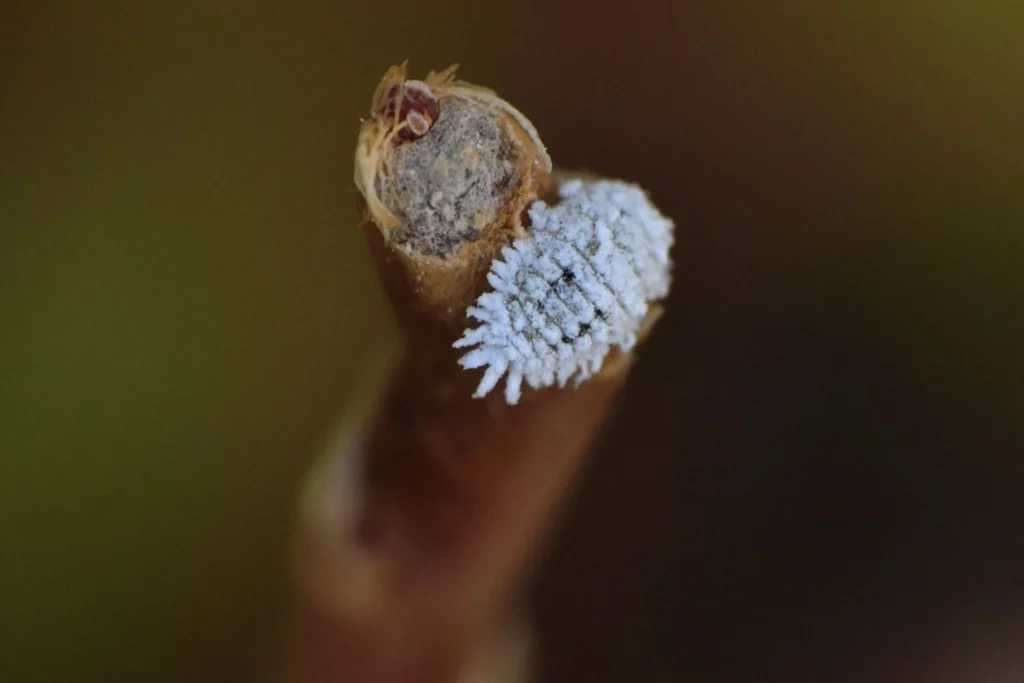
What’s more frustrating than seeing your garden transformed into a haven for pests that seem to have set their sights on your favorite plants? In the world of gardening, one common mistake is choosing varieties that appeal more to pests than to the gardener. These tiny invaders, from the mealybug to the scale insect, devastate the potential of your crops in no time, often due to ill-considered selections. Whether you’re a houseplant enthusiast, a vegetable gardening enthusiast, or a flower garden lover, this trap is universal. Let’s dissect together why certain plants become essential havens for these unwanted visitors, and especially how to learn to outsmart them with healthy and natural tips, a far cry from harsh chemical solutions. The Most Pest-Friendly Plants: A Real Trap to Avoid
Whether you’re strolling the aisles of Botanic or Jardiland in search of the perfect plant, it’s crucial to know that some species have unwittingly developed a veritable magnet for pests. This is particularly the case for plants generously nourished with sweet sap or covered with dense foliage that provides them with the perfect refuge.
These plants, far from being simple decorative accessories, become veritable havens for populations of harmful insects such as aphids, thrips, and whiteflies. The problem? They spread quickly and eventually infiltrate your entire plant area, causing dieback and crop loss.
For example, lavender, so charming with its Provençal scents, massively attracts aphids. The latter like to feed on its tender leaves and multiply at a rapid rate, transforming the plant into a nest for parasites. Even if you are passionate about scented varieties and have associated it with aromatic herbs from the Living Earth, if you neglect regular inspection, you will quickly see your natural perfumery invaded.
At the other end of the spectrum, the nasturtium, appreciated for its edible and decorative flowers, attracts white flies like a magnet. This small white butterfly quickly infiltrates shady areas, leaving behind a powdery white film on the leaves, and weakening the plant until it dies.
Understanding which plants would favor these pests is a key step in structuring your garden. Without this precaution, even soil rich in Brown Gold or enriched with organic fertilizer from La Ferme de Sainte Marthe will not protect your crops from attack.
discover the main pest plants, their characteristics and how to identify them in your garden to better protect your crops and promote a healthy environment.
No need to use chemicals to protect your plants: nature itself offers an impressive arsenal of tools to limit the impact of pests. Biodiversity remains your best ally in this fight, by promoting balance between natural predators and harmful insects.
For example, in your home gardens, growing a variety of plants such as garlic, chives, or sage helps naturally repel aphids and other pests. This method, used since time immemorial, is being revived by brands such as Magellan and Nature et Découvertes, which advocate this type of healthy and sustainable combination.
In a more professional setting, Vilmorin growers now design seed mixes that include companion plants that repel pests without compromising growth. This principle is also extending to urban spaces thanks to advice shared on platforms specializing in ornamental and vegetable plants.
Setting yellow or blue sticky traps is also a valuable anecdote to remember for effectively capturing whiteflies and other flying pests. By combining these traps with targeted watering and regular foliage maintenance, you prevent the proliferation of these pest populations. Finally, promote a well-ventilated and bright environment, especially for thujas, which are highly prized by red spider mites. Proper maintenance, coupled with the planting of certain repellent shrubs, reduces the risk of infestation and ensures better overall health for your hedges.
Common gardening mistakes that unintentionally attract pests
Many people, despite their best efforts, make maintenance errors that contribute to the increase in pest populations. Among these, choosing poor or devitalized soil plays a decisive role. Although Living Earth, rich in essential microorganisms, stimulates the vigor of plants, poorly drained or excessively compacted soil will become a breeding ground for pests.
Poor watering management, often overly generous, also invites pests to establish a foothold. This excess moisture creates excessive humidity, which favors certain harmful fungi and the appearance of fungal diseases that weaken the plants’ natural defenses.
Planting too densely, while aesthetically pleasing, limits air circulation and creates hiding places for pests, which multiply away from predators. An overly compact cedar hedge is a serious problem because it concentrates mites and requires constant vigilance.
Finally, the use of chemical fertilizers can, paradoxically, weaken crops. By focusing on rapid growth without strengthening the plants’ natural resistance, these products sometimes promote the proliferation of aphids and other insects that attack weakened plant tissue.
To counter these weaknesses, opt for a balanced and regular supply of organic fertilizers such as those offered by Or Brun or Truffaut’s organic range. This ensures harmonious and resilient growth over the long term. Discover how certain plants attract or repel pests in your garden. Our tips for identifying, managing, and intelligently using pest-resistant plants to naturally protect your crops.
How to choose plants based on their attractiveness to pests?
Planning a garden or vegetable patch requires assessing the plants’ potential to attract different pests. This may seem tedious, but awareness can help avoid many disappointments. For example, if you’re a fan of Amnesia Haze or other delicate strains, don’t hesitate to consult expert sources to learn more about this popular strain and its appropriate growing methods (such as the comprehensive link on
).
At the same time, consult the catalogs of major suppliers like Plantes et Jardin, Jardiland, or Botanic, which often indicate pest susceptibilities and the best combinations. This way, you can avoid planting plants side by side that could easily attract their common enemies. For example, mixing nasturtiums with tomatoes can be difficult if you don’t know that the latter attract a specific type of pest. It’s better to plan for rotation or natural barriers between them.In short, learn to decipher the signs of pest affection in each plant and adapt your selection with a view to a harmonious and sustainable garden, where Living Earth retains all its quality for generous and healthy harvests.
Ne manquez rien !
Recevez les dernieres actualites business, finance et lifestyle directement dans votre boite mail.